


 29 / 36

spring / summer 2017 |
aspects of land
|
29
Rental housing
is an important
part of an estate’s
income and
needs to meet the
market’s needs
SHUTTERSTOCK
L
ast year, residential properties on rural estates
accounted for more than 43 per cent of estate
incomes.That is a healthy increase of more
than 15 per cent on the previous 12 months, according
to Savills Estate Benchmarking Survey.
That does not mean that estate managers can just
sit back and watch the profits roll in though. New
government policies, coupled with a changing demand
for what rental housing should offer, means that
estates will need to take a good look at their
residential portfolios if they want to maximise their
returns from them in the future. Without making
changes, estate owners could find that their incomes
will swiftly diminish.
“Many estates are grappling with the way in which
their residential property fits with their longer term
plans,” says David Wasserberg, Savills Economist. “While
many of them are run very professionally, many estates are
not proactively managing their residential stock in a way
that optimises income.”
For the majority of estates with housing stock, the
biggest challenge is around new Minimum Energy
Efficiency Standards (MEES) that have been introduced
by the government to bring the energy efficiency levels of
all residential let property up to scratch.
The rules mean that properties with new tenancies
will need to gain an Energy Performance Certificate
(EPC) rating of E or above by 1 April 2018. Existing
HOUSE AND HOME
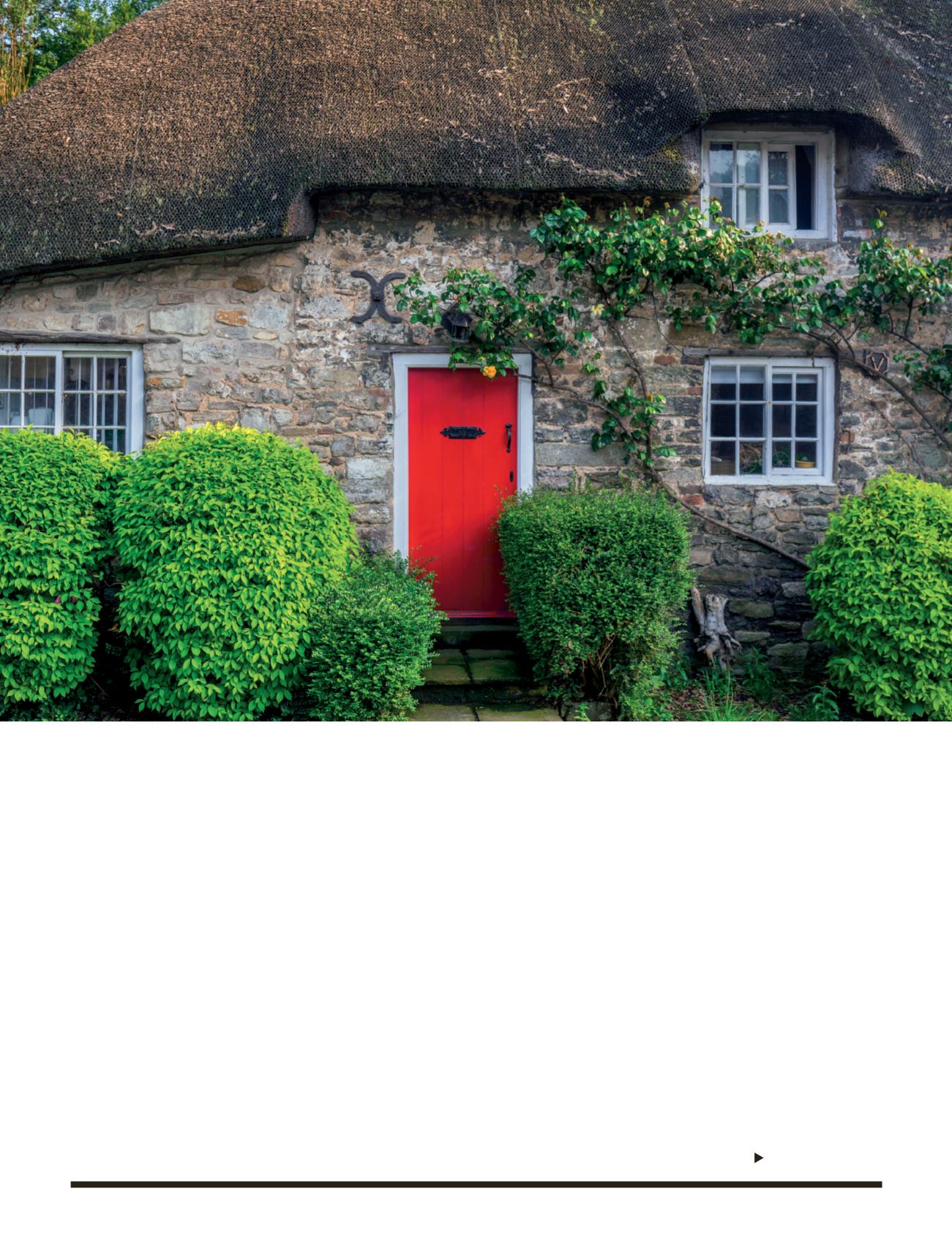
With changing lifestyles and changing regulations, rural housing doesn’t just need
to be energy efficient, it needs to meet the needs of today’s rental market too
HOUSING