


 30 / 36

30
|
aspects of land
| spring / summer 2017
HOUSING
tenancies will have until 1 April 2020 to make any
performance improvements.
“For those with modern housing stock it is relatively
simple to comply with the standards,” says Sophie Barrett
of Savills Rural Estate Management.
“Many estates have already started programmes to
install double glazed windows and insulation to improve
their properties’ ratings. Older properties, including those
that are listed, require a little more consideration to get
things in order though,” she adds.
For listed buildings, some improvements, such as the
installation of new windows, cannot be carried out due to
the property’s listed status.
“It’s not 100 per cent black and white, but it’s likely
that in these cases owners will be able to apply for
derogations so they don’t have to complete all the work to
meet the standards,” Sophie says.
The bigger challenge will be for estate owners with
older, unlisted stock that is nevertheless difficult to
improve without drastically altering the appearance and
fabric of the building.
“Features such as leaded windows are attractive and
owners won’t want to undermine the appearance and
appeal of the building by changing them. But to carry
on renting the property out landlords will have to do
significant work,” says Sophie.
OUT WITH THE OLD
One estate in Oxfordshire,
has chosen to sell an
existing property to free
up capital to invest in new
buildings.
The owners decided to
sell a detached, period
cottage that had shown
a poor rental return
for 10 years and would
have needed a costly
refurbishment to meet
basic letting and energy
efficiency standards.
From the proceeds, they
have converted an existing
barn on the estate and
are now in the process of
planning two new semi-
detached properties on an
in-fill plot in the village.
“There are costs involved
in taking on this work but,
for this estate, the future
returns make sense,” says
Sophie Barrett.
For some owners the cost of the work means that
returns are not as attractive as they once were and they
are looking into selling older stock in order to invest in
new properties (see box below left).
However, Sophie says there are often relatively simple
improvements that owners can make to ensure their
properties comply with the new standards.
“Loft insulation and internal wall insulation are
cost effective, especially if they are installed during a
refurbishment. Heating systems are also crucial, so where
boilers are reaching the end of their lives it’s worth
considering which type of replacement boiler will be most
energy efficient, or even looking at something different
such as gas, air source heat pumps or wood boilers.
For those who are preparing to make improvements but
are concerned about costs, there is a cap on the amount
landlords are expected to invest on energy efficiency
improvements. “Payback can’t be higher than seven years,
so if work is going to cost more you will be able to apply
for a derogation for anything above it,” Sophie says.
For those who are considering new developments
rather than upgrading existing stock, it is important to
factor in the future needs of tenants.
“There is a recognition on some estates that units are
not only too small, but that the way they are configured is
not reflective of modern living,” says David.
“FOR THOSE WHO
ARE PREPARING
TO MAKE
IMPROVEMENTS
BUT ARE
CONCERNED
ABOUT COSTS,
THERE IS A CAP
ON THE AMOUNT
LANDLORDS
ARE EXPECTED
TO INVEST
ON ENERGY
EFFICIENCY
IMPROVEMENTS”
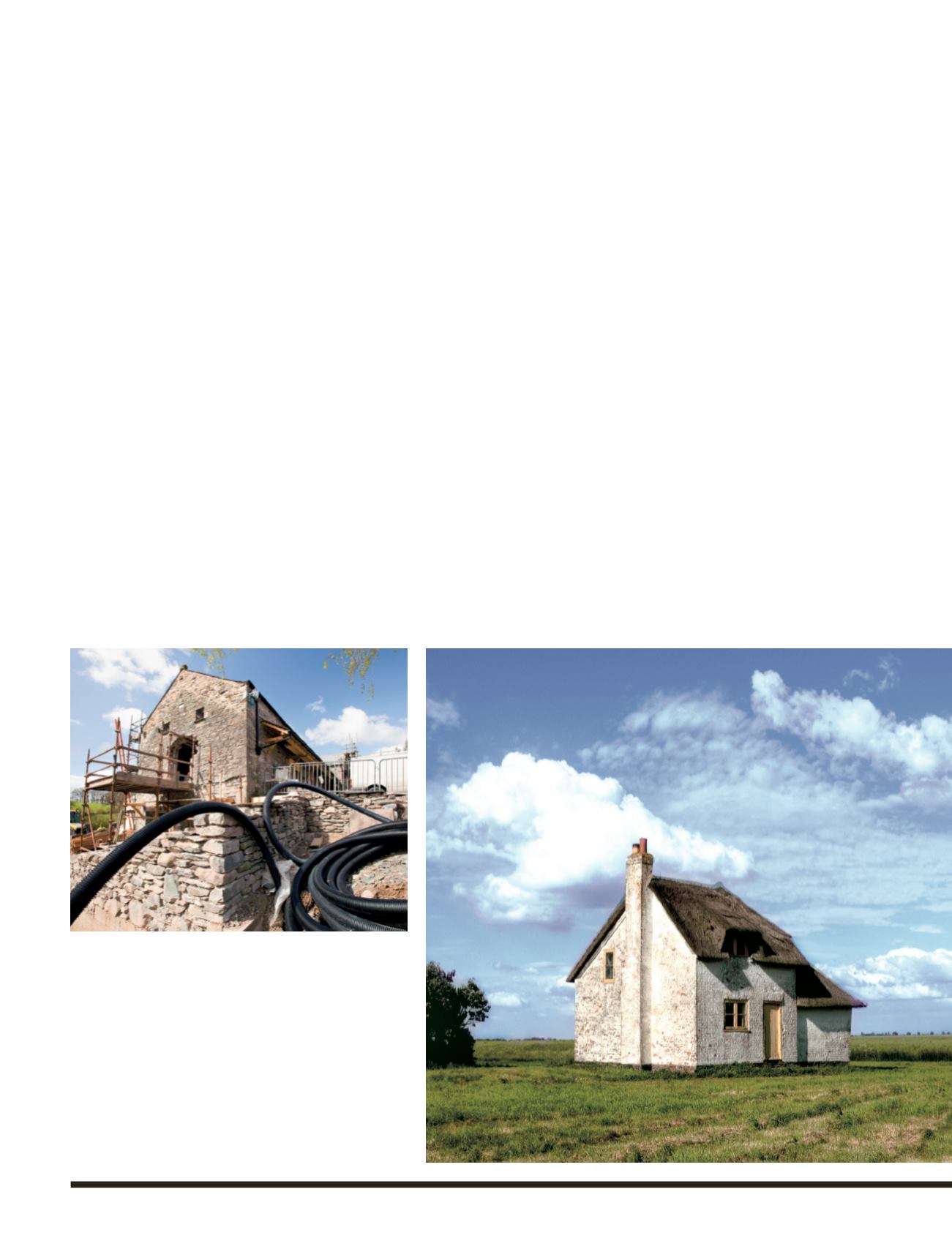
BELOW LEFT the
installation of a
ground source
heat pump can
reduce energy
use. BELOW many
older properties
no longer fit the
requirements of
today’s rental
market
iSTOCK
ASHLEY COOPER / ALAMY