



 4 / 16

04
MA R I N A S
The direct revenues generated by the leisure, superyacht and small commercial marine industry grew by circa
1.6% in 2015/16 to £3.01 billion and directly contributed over £1.11 billion to the UK economy through the sale of
goods and services. The leading performers in the sector have been exporters and tourism-focused businesses
who are optimistic about the sector’s future prospects. However, this sentiment is not universal.
S P R I N G / S U M M E R 2 0 1 7
S T O L AV E S
F O R S A L E
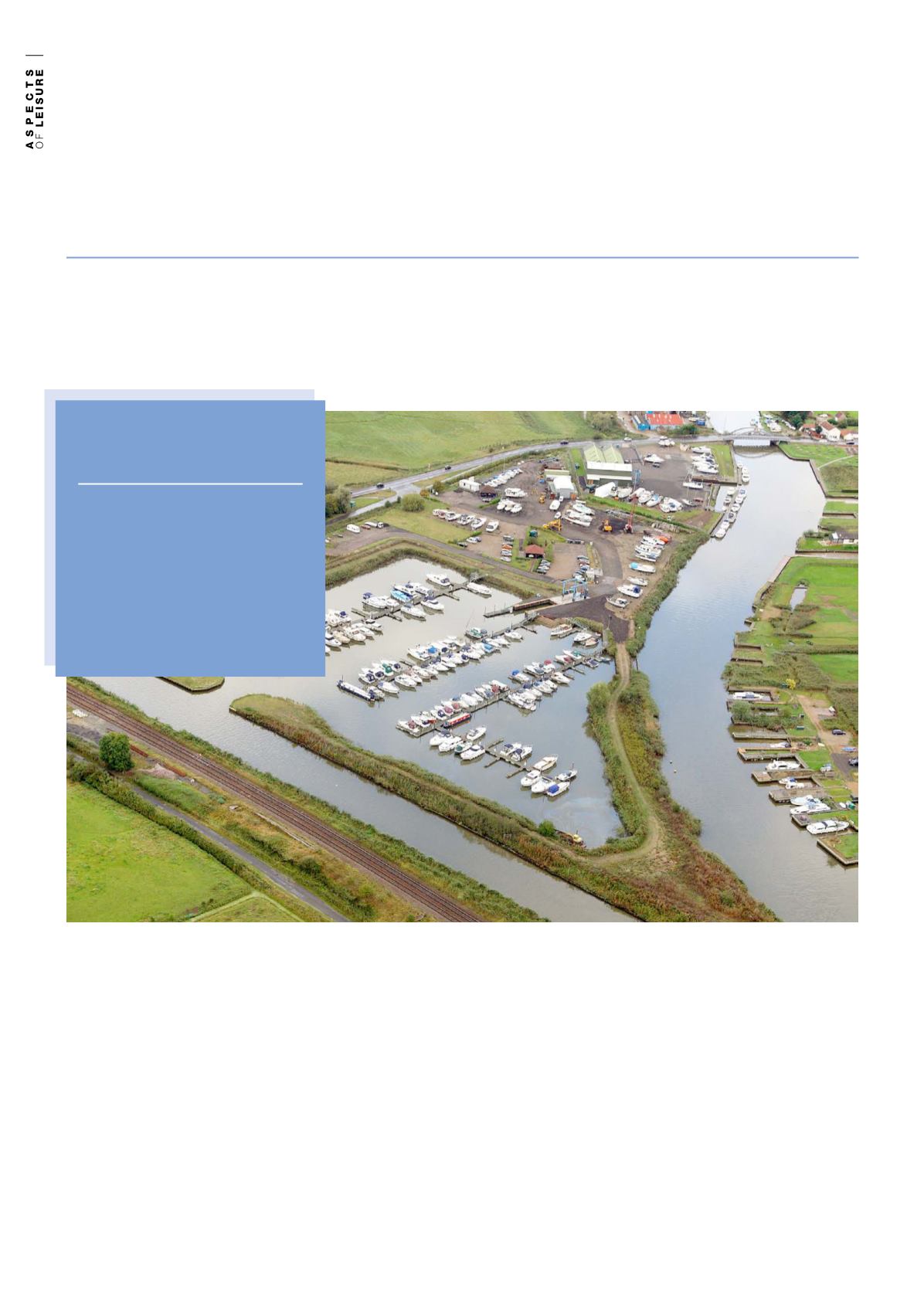
We currently have St Olaves Marina
on the Norfolk Broads for sale
with a guide price of £1.65 million.
We have received a good level of
interest from both existing marina
operators and those operating
locally or within other leisure
sectors and looking to diversify.
In the post referendum and Article 50
negotiation period financial volatility may
lead to increased inflation and some
curtailment in household leisure spending.
This is likely to push up operating costs
and place pressure on profit margins for
marine businesses. Business investment
has been on an upward trend since the
end of the recession, but many businesses
are cautious about the first half of 2017,
anticipating rising overheads and some have
put a gentle brake on major investments.
Rate of growth of the marina and moorings
sub sector slowed slightly to 3.6% in 2016
with the total revenues from approximately
95,000 berths across the UK generating
some £222m.
The average occupancy rate was 85%,
with two thirds of the income from coastal
marinas, and the remainder from inland
marinas and moorings. Market sentiment
reflects the cautiousness seen elsewhere
in the sector with more marina and mooring
businesses expecting profit margins to be
lower than in recent years and their workforce
growth to decline.
L E I S U R E , S U P E R YA C H T A N D S M A L L C O MM E R C I A L
M A R I N E I N D U S T R Y